 how-to
How to Find Authentic Artist Brands: A 2026 Guide
Table of Contents
- What Makes an Artist Brand Authentic
- How to Spot Authentic Art and Original Designs
- Understanding the Artist Brand Story Behind the Work
- Red Flags That Signal Inauthentic Artist Brands
- How to Evaluate Independent Artist Clothing Brands
- Best Merch Sites for Artists and Where to Shop
- Step-by-Step Verification Process for Authentic Brands
- How Authentic Artist Brands Differ from Mass Production
- Building Trust: What Real Artists Communicate
- Frequently Asked Questions
Last Updated: October 13, 2026
What Makes an Artist Brand Authentic
An authentic artist brand goes far beyond a logo. It's the genuine expression of an artist's values, creative vision, and unique perspective, their true voice, influences, story, and commitment to craft.
At YleaCreations, we understand what draws people to authentic art and design: not just owning something beautiful, but connecting with a creator who poured their genuine self into their work. An authentic artist brand feels real because it IS real, and the artist stands behind every piece and material decision.
The difference between authentic and manufactured is unmistakable once you know what to look for: authentic artists show their process, share their influences, and are transparent about why they create what they create.
How to Spot Authentic Art and Original Designs
Check for Original Artwork and Consistent Artistic Vision
Original artwork is the foundation of an authentic artist brand. Look for a consistent artistic vision across all pieces. Does the artist's style remain recognizable whether they're creating a painting, a t-shirt design, or a social media graphic?
Authentic artists develop a signature approach: color choices, compositional style, and subject matter align across their body of work, so you can recognize their art without seeing their name.
Check the artist's portfolio or website. Do the pieces feel like they come from the same creative mind? Or do they look randomly assembled from different sources?
- Look for consistent themes or subject matter
- Notice recurring color palettes or artistic techniques
- Check if the artist's style is recognizable across different mediums
- Verify that older and newer work show artistic growth, not sudden style shifts
Verify Design Ownership and Copyright
Original designs mean the artist created them, where many inauthentic brands fail, reselling other creators' designs or using generic templates without permission.
Search the design online with reverse image search on Google Images or TinEye. If it appears on multiple unrelated websites, it's likely not original. Authentic artists own their designs and can prove it.
Check the artist's copyright or trademark information. Real creators register their work and display it clearly through copyright notices, registration numbers, or statements about original artwork.
- Use reverse image search to verify original designs
- Check for copyright notices or trademark symbols
- Look for artist statements about original creation
- Verify the artist's design portfolio shows progression over time
Understanding the Artist Brand Story Behind the Work
Look for Personal Background and Creative Influences
Every authentic artist brand has a story. The artist's background shapes their work. Their influences inform their choices. Their values guide their creative decisions.
Spend time on the artist's website or social media. Do they share their background and explain what inspires them? Real artists talk about their influences openly and credit the artists who shaped their vision.
An authentic artist brand reveals the person behind the work, where they grew up, what moves them, what shaped their perspective. That transparency builds trust.
- Read the artist's bio or "about" page
- Look for interviews or artist statements
- Check social media for behind-the-scenes content
- Notice if they credit their influences and inspirations
Evaluate Consistency Across Their Body of Work
Consistency reveals authenticity. An authentic artist's work evolves, but it stays true to their vision. You see growth, not abandonment of their original style.
Review their entire portfolio across different time periods. Does it show an artist developing their craft, or random, disconnected pieces?
Authentic artists create within their niche and don't suddenly shift subjects or styles without explanation. When they evolve, they explain why and show the journey.
- Compare early work to recent work
- Notice artistic growth and refinement
- Check if the artist explains major style changes
- Look for a cohesive body of work, not random pieces
Red Flags That Signal Inauthentic Artist Brands
Inauthentic brands share common warning signs. Learn to spot them.
No artist story or background. If you can't find who created the work or why, that's a problem. Real artists share their story.
Identical designs across multiple platforms. Authentic artists control their designs. The same design on five websites under different artist names is resold artwork.
Generic or mass-produced aesthetic. Inauthentic brands use stock images, templates, or designs that lack personality. They look like they could come from anywhere.
No artist engagement. Real artists respond to comments, post regularly, and show up in their community. If the artist never engages, they may not be the actual creator.
Vague or missing product information. Authentic artists explain their materials, production process, and design choices. Inauthentic brands stay silent about how things are made.
Sudden style changes without explanation. Authentic artists explain their evolution. Inauthentic brands switch styles abruptly when chasing trends.
- No artist biography or background information
- Same designs appearing on multiple unrelated websites
- Stock photos used instead of original imagery
- No response to customer questions or comments
- Vague descriptions of materials and production
- Unexplained drastic style changes
How to Evaluate Independent Artist Clothing Brands
Production Quality and Material Standards
Quality reveals whether an artist actually cares about their work or is just chasing profit.
Examine product photos for seams, stitching, and finishing details. Does the garment look well-made or hastily assembled?
Read customer reviews: real customers describe fit, color accuracy, and durability honestly, and authentic artist brands get consistent positive feedback about quality.
Ask about materials: what fabric is used, where it's sourced, how it's produced. Authentic artists answer these questions proudly.
- Check product photos for stitching quality and finishing
- Read customer reviews about durability and fit
- Ask the artist about materials and production methods
- Look for certifications or sustainable sourcing information
Direct Artist Connection and Transparency
Authentic independent artist clothing brands maintain direct connection with their customers. You can reach the artist. They respond to questions. They care about your experience.
Check how the brand communicates. Is there a real email, phone number, or way to contact the artist directly? Inauthentic brands hide behind generic customer service templates.
Look for transparency about production: where items are made, how many are produced, and whether the artist limits quantities. Real artists often create limited editions.
- Look for direct contact information
- Check response times to customer inquiries
- Verify the artist is involved in customer service
- Ask about production quantities and limitations
Best Merch Sites for Artists and Where to Shop
Where you shop changes what you can verify. Each channel offers different access to the artist, proof of origin, and trade-offs in price, selection, and communication. The goal isn't one "best" platform, it's matching the platform to how much verification you need.
Artist-owned websites. Direct-to-artist sites give the clearest line to the creator: a bio, process photos, material notes, and a direct email. The trade-off is smaller selection and less buyer protection. Look for an "About" page naming the artist, a visible contact method, and product pages explaining materials and production.
Marketplace platforms. Large marketplaces host both authentic artists and resellers, and the platform doesn't verify authorship. Favor shops with a long sales history, detailed policies, original photography, and responses to questions, and reverse image search listing photos to check for the same design under other shop names.
Gallery and boutique partnerships. Galleries and curated boutiques vet the artists they carry, adding credibility at the cost of higher prices and limited inventory. Ask how the artist was selected and whether they can connect you directly.
Social media direct sales. Instagram, TikTok, and Facebook can be the most direct artist-to-buyer channel but offer the least protection. Before buying, confirm a consistent posting history, real engagement, and a payment method with recourse. Be cautious of accounts posting only product photos with no process or personal content.
Limited-edition and print-on-demand platforms. Some platforms verify artist identity and specialize in limited runs; others are pure print-on-demand. Print-on-demand isn't automatically inauthentic, but the artist may not touch the physical product. Ask whether they design only or also produce, and whether they approve samples.
A practical way to compare channels is to score each one on four observable signals:
- Artist access: Can you reach the creator directly, and do they respond?
- Origin proof: Can they show process, original files, or documentation?
- Consistency: Does the same artist name, style, and story appear across channels?
- Recourse: If something goes wrong, what protection do you have?
At YleaCreations, we sell directly through our own store so you can see the artist behind the work, ask questions, and understand how each piece is made. Shop our store to browse original designs and connect with the creator directly.
Step-by-Step Verification Process for Authentic Brands
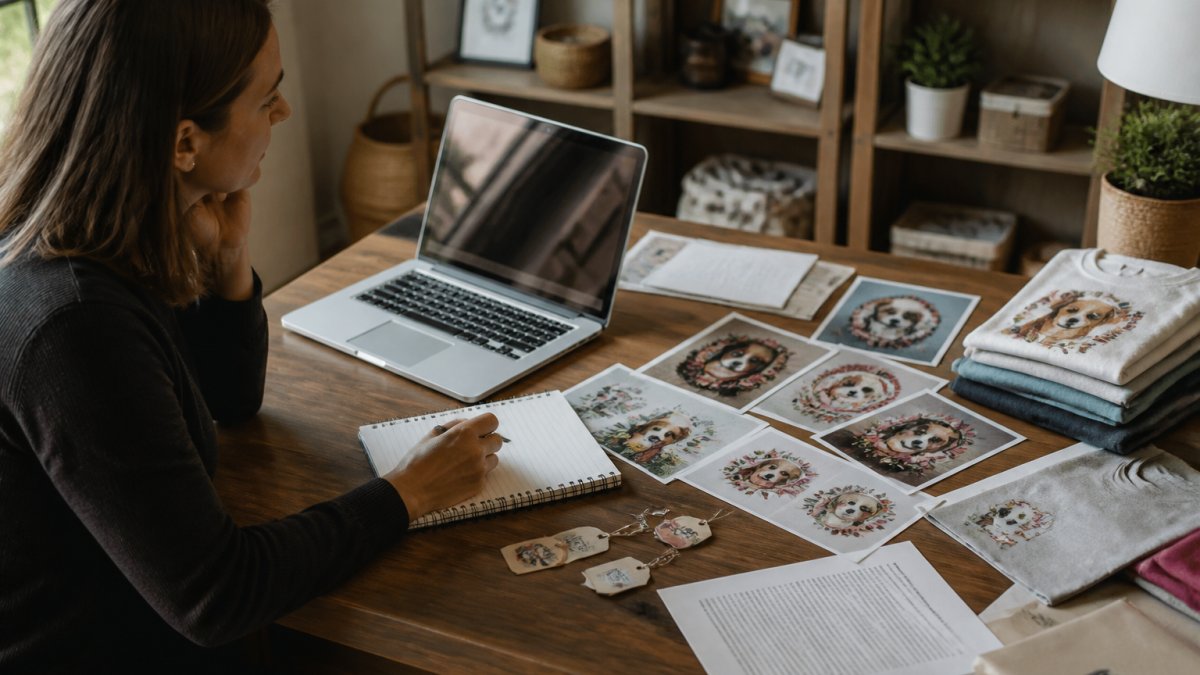
Step 1: Research the Artist's Background and Online Presence
Start with the basics: search the artist's name online and check whether consistent information appears across multiple sources.
Visit their official website or primary social account and look for an artist bio: how long they've been creating, their background, and their influences.
Check multiple platforms. A real artist maintains a presence across several channels. Instagram, a personal website, maybe TikTok or YouTube. The information should be consistent across all platforms.
- Search the artist's name across Google, social media, and art platforms
- Visit their official website or primary social account
- Read their complete artist biography
- Check for consistency across all their platforms
- Look for press mentions or features in reputable publications
Step 2: Examine Visual Identity and Signature Elements
Every authentic artist has recognizable visual markers. Look for them.
Study the artist's color palette. Do they favor certain colors? Does this palette appear consistently across all their work?
Identify their signature style: a distinctive approach to composition, techniques, or materials.
Look at their logo and branding: does it reflect their artistic style or look like a generic template?
Check how they sign or mark their work. Authentic artists often use a consistent signature or mark that proves ownership and authenticity.
- Identify the artist's signature color palette
- Note distinctive compositional or technical approaches
- Examine their logo and branding design
- Look for artist signatures or marks on work
- Check if signature elements appear consistently
Step 3: Check for Audience Connection and Engagement
Authentic artists build real communities. They engage with their audience.
Look at their social media comments and responses. Does the artist answer questions and show up for their community?
Check the quality of engagement: are followers having real conversations with the artist, or are comments generic spam?
Look for user-generated content: customers posting photos with the artist's work and tagging them is powerful proof of authentic connection.
Read testimonials and reviews: do customers describe a real relationship with the artist and mention their responsiveness?
- Review comment sections on social media posts
- Check response times to customer questions
- Look for user-generated content featuring the work
- Read customer testimonials and reviews
- Notice if the artist participates in their community
Step 4: Verify Materials, Production, and Documentation
Ask detailed questions about how products are made. Authentic artists answer thoroughly.
Request information about materials: what fabrics, paints, or materials the artist uses, where they're sourced, and why they were chosen.
Ask about production methods. Is everything handmade? Partially handmade? Printed? The artist should be clear about their process.
Look for documentation: certificates of authenticity, process records, and proof of design ownership.
Request photos of the production process. Many authentic artists share behind-the-scenes photos or videos proving they actually make what they sell.
- Ask detailed questions about materials and sourcing
- Request information about production methods
- Look for certificates of authenticity
- Ask for behind-the-scenes photos or videos
- Verify the artist can explain their entire process
How Authentic Artist Brands Differ from Mass Production
Most guides stop at "authentic artists care, mass producers do not." That's true but not useful. A better approach is to compare authentic and mass-produced work across observable dimensions, then test them against real examples.
Quantity and editioning. Authentic artists often limit runs, number prints, or retire designs; mass production maximizes volume. Ask whether a design is limited, how many were made, and whether editions are tracked. A clear answer is a positive signal; a vague one is not.
Material and production choices. Authentic artists explain why they chose a specific fabric, ink, paper, or finish, often accepting higher costs for better results. Mass production defaults to the cheapest material that meets a minimum standard. Ask what the product is made of and why.
Design origin. Authentic artists create original work and can show sketches, files, or process documentation; mass production copies successful designs or uses generic templates. Reverse image search and process evidence separate the two.
Story and voice. Authentic artists communicate in a consistent voice and explain the "why" behind a piece; mass production uses generic marketing language that could apply to any product. Read the product description: does it sound like a person or a template?
Audience relationship. Authentic artists engage with their community, answer questions, and sometimes incorporate feedback. Mass production treats customers as transactions. Look at comment sections and response patterns.
Transparency about limitations. Authentic artists acknowledge when something is handmade and therefore variable; mass production hides the process or overpromises consistency.
To see how these dimensions play out across disciplines, compare three examples:
- Visual artists: A painter who documents layers, color mixing, and studio decisions gives you a verifiable process. A print shop that sells the same floral design under multiple brand names does not.
- Musicians: An independent musician who credits collaborators, shares demos, and explains lyrical choices shows a coherent identity. A project that changes genre, image, and story with every release to chase trends shows a manufactured persona.
- Designers and makers: A clothing designer who names their fabric mill, explains fit decisions, and shows samples is giving you observable signals. A drop-shipper who cannot describe the garment beyond the mockup is not.
A useful exercise: score any brand on each dimension above as clear, vague, or no answer. Brands scoring mostly clear answers behave like authentic artist brands; those scoring mostly vague or absent answers behave like mass production, regardless of marketing.
At YleaCreations, we make these signals easy to check: our product pages explain materials and design choices, and you can reach us directly with questions. Visit our store to see the work and the process behind it.
Building Trust: What Real Artists Communicate
Real artists communicate clearly, without corporate language or vague promises.
They explain their "why." Why did they create this, what inspired it, and what does it mean to them? Real artists answer openly.
They show their process. When you see how something is made, you trust it more. Authentic artists share their process willingly.
They acknowledge their influences. Real artists credit the people and artists who shaped their vision. They're not threatened by their influences. They celebrate them.
They respond to customers. Real artists treat questions as opportunities to connect, answering thoughtfully and caring about your experience.
They're honest about limitations. Real artists acknowledge when something is handmade and therefore imperfect, and explain why those imperfections matter.
They stand behind their work. Real artists offer fair return policies and are confident in what they make.
When an artist communicates this way, trust them. They're being genuine.
Finding an authentic artist brand means looking beyond the surface: asking questions, doing research, and trusting your instincts. The effort is worth it.
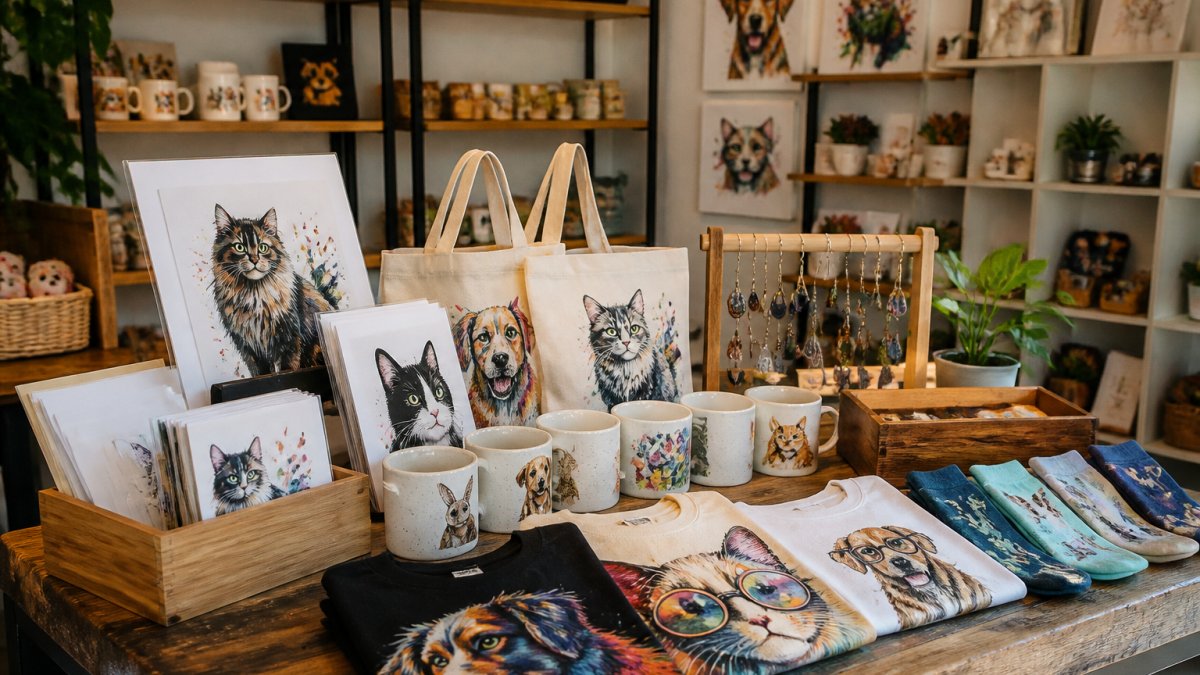
When you discover a real artist whose work speaks to you, you're supporting someone who creates from genuine passion and owning something with real meaning. At YleaCreations, we celebrate that connection between artist and audience, curating pieces from creators who pour their authentic selves into their work, colorful animal art, expressive apparel, and mood-lifting designs that reflect who you truly are. Ready to find your authentic artist brand? Shop on Etsy and discover pieces crafted with genuine creative vision.
Frequently Asked Questions
How can you tell if an artist brand is authentic?
Authentic artist brands show consistency across their body of work, provide a clear personal story about their creative influences, and maintain direct engagement with their audience. Look for artists who document their process, share their background, and explain their design choices. Check whether their visual identity (color palette, style, signature elements) remains recognizable across all products. Real artists also respond to customer questions and build community, rather than disappearing behind corporate messaging. Verify their work appears original by checking reverse image searches and examining their portfolio depth.
What should you look for in an artist's brand story?
A genuine artist brand story reveals the creator's personal background, artistic influences, and values that drive their work. Look for specific details about why they create, what materials or techniques matter to them, and how their personal experiences shaped their distinctive style. Authentic stories feel personal and vulnerable, not polished corporate copy. The artist should explain their creative vision clearly and show how their story connects to their designs. Inconsistencies between their stated values and their actual practices are red flags. Strong brand stories also acknowledge their audience and explain why their work resonates with specific people.
Where can you find independent artist-designed clothing brands?
Independent artist clothing brands are found on platforms dedicated to creator-owned work, direct artist websites, local galleries, and curated marketplaces that prioritize original design. Many emerging artists sell through their own online storefronts, while others use print-on-demand platforms that allow designers to retain creative control. Community art markets, pop-up shops, and artist collectives also showcase independent creators. When shopping, prioritize brands where the artist maintains creative ownership and handles customer communication directly. Look for sites that provide artist bios and allow you to contact creators with questions about their process and materials.
What are the key differences between authentic artist brands and mass-produced merchandise?
Authentic artist brands reflect a single creator's unique vision and personal style, while mass production prioritizes volume and profit over individual expression. Artist brands show consistency in their visual identity, materials, and messaging because one person guides the work. They typically offer limited editions or small batch runs rather than infinite inventory. Authentic artists document their process, explain their choices, and build direct relationships with customers. Mass-produced items often use generic designs, lack artist transparency, and prioritize low costs over quality. Real artist brands also evolve and grow as the creator develops, whereas mass production remains static and interchangeable.