 how-to
Why Quality Apparel Costs More: A Breakdown
Table of Contents
- Why Quality Apparel Costs More
- The Role of Fabric Quality and Materials
- Construction and Sewing: How Craftsmanship Affects Price
- How to Tell If a Shirt Is Good Quality
- Screen Printing vs. Direct-to-Garment Printing: Cost and Quality
- Labor Costs and Ethical Production
- Brand Reputation and Perceived Value
- Cost Per Wear: Why Higher Initial Price Saves Money
- When Higher Price Doesn't Mean Better Quality
- Finding Quality Apparel That Reflects Your Style
- Frequently Asked Questions
Last Updated: October 12, 2026
Why Quality Apparel Costs More
When you compare a $15 shirt to a $60 shirt, the difference isn't just a brand name slapped on a label. Quality apparel costs more because of real, measurable factors that affect how a garment looks, feels, and lasts. At YleaCreations, we understand what makes quality apparel worth the investment.
The price difference between cheap and quality clothing reflects decisions made long before the shirt reaches your closet. Better materials cost more. Skilled labor takes longer. Proper finishing requires attention to detail. Each of these factors adds up, and together they explain why quality apparel commands higher prices.
Understanding these costs helps you make smarter choices. You'll know what you're actually paying for and whether a higher price tag reflects genuine quality or just marketing.
The Role of Fabric Quality and Materials
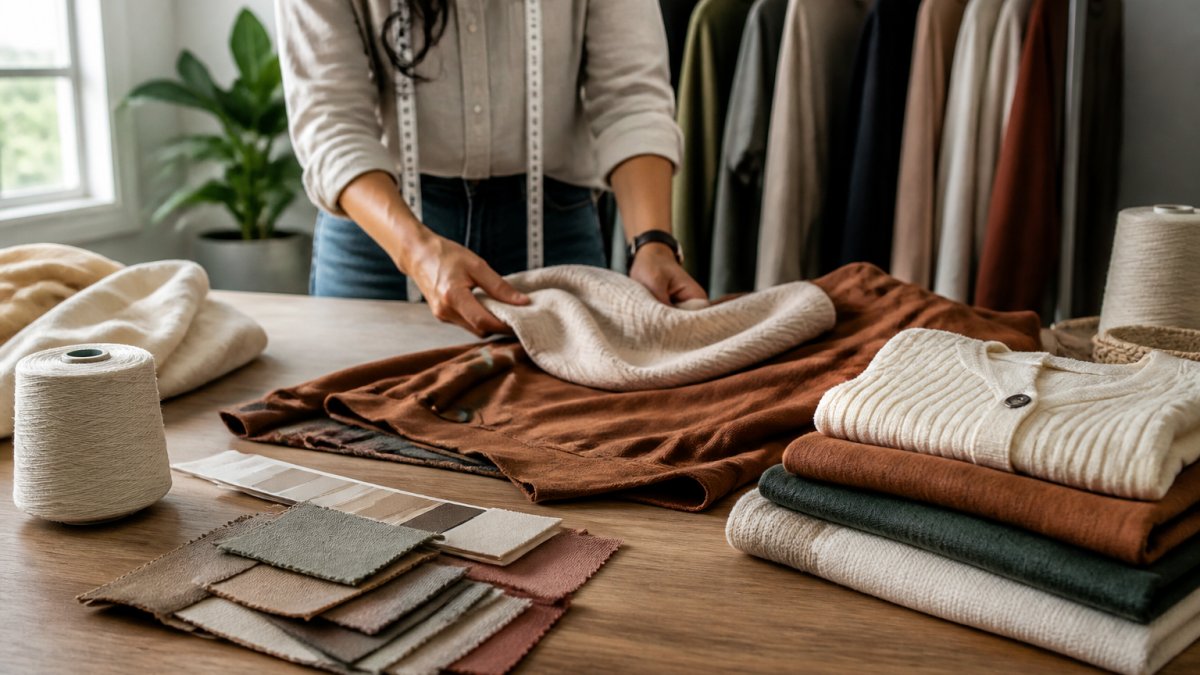
The fabric you choose is the foundation of any garment. Premium materials feel different, wear differently, and last longer than cheap alternatives.
High-quality fabric starts with better fiber content. Natural fibers like cotton, wool, and linen cost more than synthetic blends. A 100% cotton shirt uses more expensive raw material than a cotton-polyester blend. The fiber quality matters too, long-staple cotton produces softer, more durable fabric than short-staple varieties.
Fabric weight and density affect both cost and performance. Heavier fabric requires more fiber per yard. A thick, densely woven cotton will cost more to produce than a thin, loosely woven version. That weight translates to durability. A heavier garment resists pilling, fading, and wear.
The sourcing and processing of materials adds cost as well. Sustainable or ethically sourced materials often command premium prices. Organic cotton, for example, costs more because it's grown without synthetic pesticides and harvested with care. Fabric finishing processes, like pre-shrinking, dyeing, or applying special treatments, add expense but improve the final product.
Construction and Sewing: How Craftsmanship Affects Price
How a garment is put together determines how long it lasts and how well it fits. Quality construction requires skill, time, and attention.
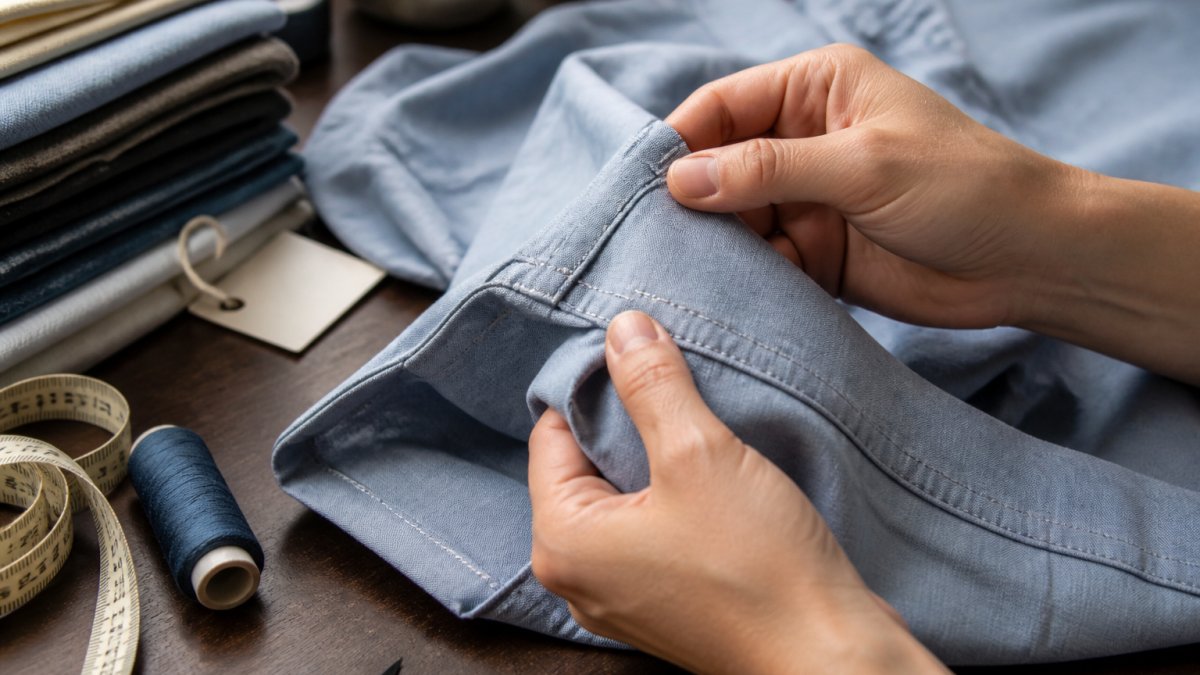
The seams tell the story. A quality garment has straight, even stitching with appropriate stitch density. Cheap garments often use loose, inconsistent stitching that unravels or tears easily. Quality seams are reinforced, double-stitched or bound, to prevent separation. This takes more time and more thread.
Finishing details cost money and time. Hems on quality garments are sewn by hand or with precision machinery. Collar and cuff seams are taped or reinforced. Buttonholes are cleanly finished. These details don't affect the basic function of the shirt, but they affect how long it survives washing and wearing.
The pattern layout and cutting process impact waste and cost. A skilled cutter minimizes waste by laying out pattern pieces efficiently. This saves material and reduces the cost per garment. Poor cutting wastes fabric, which manufacturers pass on to you as higher prices or lower quality.
Quality construction also means proper fit and alignment. Sleeves are sewn at the correct angle. Seams run straight down the center of the garment. Patterns are matched at seams. These details require trained sewers and careful quality control.
How to Tell If a Shirt Is Good Quality
You don't need to be an expert to spot quality. A few simple checks reveal what you're actually buying.
Inspection Checklist for Garment Quality
Look at these specific details when you're evaluating a shirt:
- Stitching: Run your finger along seams. Are they straight and even? Do they feel tight or loose?
- Seam strength: Gently pull at a seam. Does it feel secure or does it flex and gap?
- Fabric weight: Pick up the shirt. Does it feel substantial or flimsy?
- Hem quality: Check the bottom hem. Is it sewn straight? Are there loose threads?
- Button attachment: Wiggle a button. Is it sewn securely with multiple passes of thread?
- Collar and cuffs: Do they lay flat? Are they reinforced or flimsy?
- Printing or embroidery: Does the design feel stiff or integrated into the fabric? Are there loose threads?
- Fiber content: Read the tag. What percentage is natural fiber versus synthetic?
- Overall finish: Does the garment feel polished or rough?
A quality shirt passes most of these checks. A cheap shirt fails several. You can feel the difference in your hands before you ever wear it.
Screen Printing vs. Direct-to-Garment Printing: Cost and Quality
How a design gets onto a shirt affects both the price and how long the design lasts.
Screen printing involves pushing ink through a mesh screen onto fabric. It's fast and cost-effective for large orders. The ink sits on top of the fabric, creating a raised feel. Screen printing works well for simple designs with few colors. The downside: the design can crack, peel, or fade after repeated washing.
Direct-to-garment printing uses inkjet technology to spray dye directly onto fabric. The ink bonds with the fibers rather than sitting on top. This method produces more vibrant colors and photographic detail. The design integrates with the fabric, so it doesn't crack or peel. Direct-to-garment printing costs more per garment because it's slower and uses expensive equipment.
For quality apparel, the printing method matters. A premium shirt often uses direct-to-garment printing or high-quality screen printing with proper curing. Cheap garments use low-quality screen printing that degrades quickly.
Labor Costs and Ethical Production
The people who make your clothes deserve fair wages and safe working conditions. Quality apparel reflects that commitment.
Labor costs vary dramatically by country and working conditions. Factories in countries with lower wages produce cheaper garments. But low wages often mean poor working conditions, long hours, and unsafe environments. Quality apparel manufacturers often pay higher wages and maintain better standards.
Ethical production adds cost. Fair wages, safe facilities, reasonable hours, and benefits all increase the price per garment. A shirt made in a facility with proper labor practices costs more than one made in a sweatshop. That cost difference is real and justified.
Quality manufacturers often invest in worker training and development. Skilled sewers produce better garments. Training requires time and money, which gets reflected in the final price.
Traceability also costs money. Quality brands track their supply chain. They know where materials come from and who makes the garments. This transparency requires systems, audits, and documentation.
Brand Reputation and Perceived Value
A brand name can add real dollars to a garment's price without adding a single stitch of quality. Understanding where that money goes helps you separate a justified premium from a pure status markup.
What a Retail Price Actually Contains
When you buy a shirt, your money is split across several buckets. Exact percentages vary by brand, category, and channel, but a common pattern for a mid-priced garment looks roughly like this:
- Materials and trim: fabric, thread, buttons, zippers, interfacing, and labels.
- Labor and manufacturing: cutting, sewing, finishing, quality control, and factory overhead.
- Freight and duties: ocean or air shipping, customs clearance, and import tariffs.
- Brand overhead: design, sampling, marketing, photography, customer service, and returns processing.
- Retail margin: the wholesaler's and retailer's cut for storing, displaying, and selling the item.
A brand that spends heavily on celebrity endorsements, glossy campaigns, and prime real estate is funding those line items, not better fabric. That is why two shirts with nearly identical construction can sit at very different prices.
Where the Premium Is Real
Some premiums reflect genuine investment. A brand that runs its own factory, pays for third-party audits, tests fabric shrinkage before cutting, and offers free repairs is spending money that shows up in the garment's lifespan. Those costs are real and defensible.
Other premiums are pure perception. A licensed logo, a limited drop, or a designer collaboration can add a large markup with no change to the underlying materials or construction. The garment may still be fine, but you are paying for scarcity and association, not durability.
How to Tell the Difference
Use a simple test: compare the garment's physical specs against its price. Check fiber content, fabric weight (often listed in grams per square meter, or GSM), stitch density, seam type, and whether the brand publishes its factory list or care instructions that suggest long-term durability. If the specs match a mid-priced competitor but the price is double, the gap is likely branding.
At YleaCreations, we keep that equation honest. Our pieces are built around original designs and quality construction, not licensing fees or status pricing. You can shop our store to see the difference for yourself.
Cost Per Wear: Why Higher Initial Price Saves Money
Cost per wear turns a vague "buy better, buy less" slogan into a number you can actually compare. The formula is simple: divide the garment's total cost by the number of times you realistically expect to wear it. The hard part is estimating the wear count honestly, and accounting for repairs, resale, and the hidden cost of replacing cheap items.
A Worked Example
Suppose you are comparing two button-down shirts.
Shirt A (budget): Purchase price $20. After a few washes the collar curls, the seams start to separate, and the color fades. You wear it about 25 times before it becomes a rag. Cost per wear: $20 ÷ 25 = $0.80.
Shirt B (quality): Purchase price $80. The fabric holds its shape, the buttons stay attached, and the color survives repeated washing. You wear it about 200 times over three years. Cost per wear: $80 ÷ 200 = $0.40.
Shirt B costs four times more upfront but half as much every time you put it on. Over the same 200 wears, you would need eight Shirt A replacements, $160 total, versus $80 for one Shirt B. The quality shirt wins on both cost and convenience.
Adjusting for Repairs and Resale
Quality garments can often be repaired rather than replaced. Replacing a button, restitching a hem, or patching a small tear might cost a few dollars at a tailor or nothing if you do it yourself. Add those repair costs to the purchase price before dividing. A $80 shirt plus $10 in repairs over its life, worn 200 times, costs $0.45 per wear, still far below the budget shirt.
Resale is the other side of the equation. Well-made garments from recognizable quality brands often hold enough value to sell on resale platforms. If you buy a $120 jacket, wear it 150 times, and later sell it for $40, your net cost is $80, or about $0.53 per wear. Fast-fashion pieces rarely resell for meaningful amounts.
How to Estimate Wear Count
Be realistic, not optimistic. Ask yourself:
- How often will I actually wear this in a typical month?
- Does it fit my lifestyle and climate, or is it a special-occasion piece?
- Will the color and style still work for me in two or three years?
- Does the care label require dry cleaning or hand washing, which adds cost and reduces how often I reach for it?
A garment you love and wear weekly will almost always beat a cheaper item that sits in the closet.
The Hidden Cost of Replacement
Cheap clothing carries costs that never appear on the price tag: the time spent shopping for replacements, the gas or shipping fees, the frustration of a favorite shirt falling apart, and the environmental waste of disposing of worn-out items. Those costs are real even when they are not itemized.
At YleaCreations, we design apparel meant to be worn again and again, pieces that reflect your personality and hold up to real life. When you browse our store, you are choosing garments built for a low cost per wear.
When Higher Price Doesn't Mean Better Quality
Not every expensive shirt is high-quality. Price alone doesn't guarantee quality.
Some brands charge premium prices for marketing and exclusivity, not materials or construction. A designer logo might add $30 to the cost without improving the garment. You're paying for the brand, not the shirt.
Some expensive garments use trendy materials that don't last. A fashionable synthetic fabric might cost more than traditional cotton but wear out faster. Higher price doesn't always mean better durability.
Manufacturing in expensive countries doesn't automatically mean better quality. A shirt made in a high-wage country can still be poorly constructed. Labor cost and construction quality are separate factors.
The best approach is to evaluate each garment individually. Look at the materials. Check the construction. Feel the fabric. Read reviews from people who've actually worn the shirt. Price is one factor, but it's not the only one.
Finding Quality Apparel That Reflects Your Style
Quality doesn't mean sacrificing personality or self-expression. You can find well-made garments that actually feel like you.
Start by identifying what matters to you. Do you prioritize durability? Comfort? Unique design? Ethical production? Different people value different things. A quality garment excels in the areas that matter most to you.
Look for brands that align with your values. If sustainability matters, seek out brands that use organic or recycled materials. If you want unique designs, find makers who create original art rather than mass-produced pieces. If you value ethical labor, research the brand's production practices.
At YleaCreations, we create apparel and gifts that celebrate individuality. Our designs reflect the playful, expressive spirit of animal lovers, daydreamers, and creative people. When you choose our pieces, you're getting quality construction combined with designs that actually feel like you, mood-lifting reminders of what you love.
Quality apparel is an investment in yourself. It's a statement that you value durability, craftsmanship, and authenticity. It's refusing to settle for disposable fashion.
When you understand why quality apparel costs more, you can make smarter choices. You'll know what you're paying for. You'll recognize real quality when you see it. And you'll appreciate the difference a well-made garment makes in your life.
Frequently Asked Questions
Why is quality apparel so much more expensive than fast fashion?
Quality apparel costs more because it uses superior materials, better construction techniques, and often involves ethical labor practices. Premium fabrics last longer and feel better against your skin. The seams are reinforced, stitching is tighter, and finishing details are precise. Fast fashion prioritizes low cost over durability, meaning you'll replace those items far more often. When you calculate cost per wear over a garment's lifespan, quality apparel often becomes the more economical choice.
How can you tell if a shirt is well made before buying?
Inspect the seams, they should be straight, tight, and reinforced at stress points like shoulders and armpits. Check the fabric weight and feel; quality materials have substance and consistency. Look at the hem; it should be finished evenly without loose threads. Examine how the collar and cuffs are attached, they should sit flat without puckering. Read the fiber content; natural fabrics or quality blends outperform cheap synthetics. Finally, check for symmetry in patterns or prints; misalignment indicates poor quality control.
Does screen printing vs. direct-to-garment printing affect the final quality?
Both methods can produce quality results, but they differ in durability and appearance. Quality depends on the printer's skill and the base garment quality, not the method alone.
Is it worth paying more for quality apparel if I don't wear things often?
Cost per wear matters, but quality also means garments hold their shape, color, and integrity longer. Even if worn infrequently, a quality piece won't pill, fade, or develop holes as quickly as cheaper alternatives. You'll feel better wearing something well-made, and it's more likely to stay in your closet as a favorite rather than becoming an unworn impulse purchase. For meaningful pieces, like custom apparel reflecting your personality or interests, quality ensures the design and garment last as long as your attachment to it does.
Quality apparel reflects real investment in materials, craftsmanship, and ethics. When you choose well-made pieces, you're choosing garments that last, fit better, and feel authentic. Explore our collection at YleaCreations, where we combine quality construction with designs that celebrate your unique style and spirit. Shop on Etsy and discover apparel that feels like you.