
 ultimate-guide
Why Boutique Animal Shirts Cost More: A Pricing Breakdown
Table of Contents
- The Real Cost Behind Boutique Animal Shirts
- Fiber Quality and Fabric Construction Matter
- Printing Technology and Durability Impact Price
- Ethical Manufacturing and Supply Chain Transparency
- Tips for Buying Quality Graphic Apparel
- How to Spot High-Quality T-Shirts Before You Buy
- Caring for Printed Graphic Tees to Extend Their Life
- Small-Batch Production vs. Mass-Market Fast Fashion
- Cost Breakdown: Where Your Money Actually Goes
- Conclusion: Value Beyond the Price Tag
- Frequently Asked Questions
Last Updated: September 19, 2026
The Real Cost Behind Boutique Animal Shirts
When you're browsing for a new graphic tee and you spot a boutique animal shirt with a price tag that makes you pause, you're not alone. The sticker shock is real. But here's what most shoppers miss: boutique animal shirts expensive isn't about greed. It's about everything that goes into making a garment that actually lasts, looks vibrant, and reflects genuine craftsmanship rather than the throwaway fast fashion model.
At YleaCreations, we've spent years creating apparel that celebrates what you love, whether that's your dog, your sense of humor, or your refusal to dress like everyone else. When people ask why boutique animal shirts expensive, the honest answer involves fiber quality, printing durability, ethical manufacturing, and small-batch production. Let's break down where your money actually goes.
Fiber Quality and Fabric Construction Matter
The foundation of any quality garment starts with the material itself. Boutique animal shirts expensive because they typically use superior cotton or cotton-blend fabrics with higher thread counts and better fiber density than mass-produced alternatives.
High-quality cotton has longer staple fibers, which means the yarn spun from it is stronger and smoother. When you feel a premium tee, you notice the difference immediately, it's softer, thicker, and holds its shape after washing. A standard fast-fashion shirt might use 150-gram cotton, while boutique options often use 180-200 grams or higher. That extra weight costs more at the wholesale level, but it translates to a garment that doesn't pill, fade, or lose its structure after a few washes.
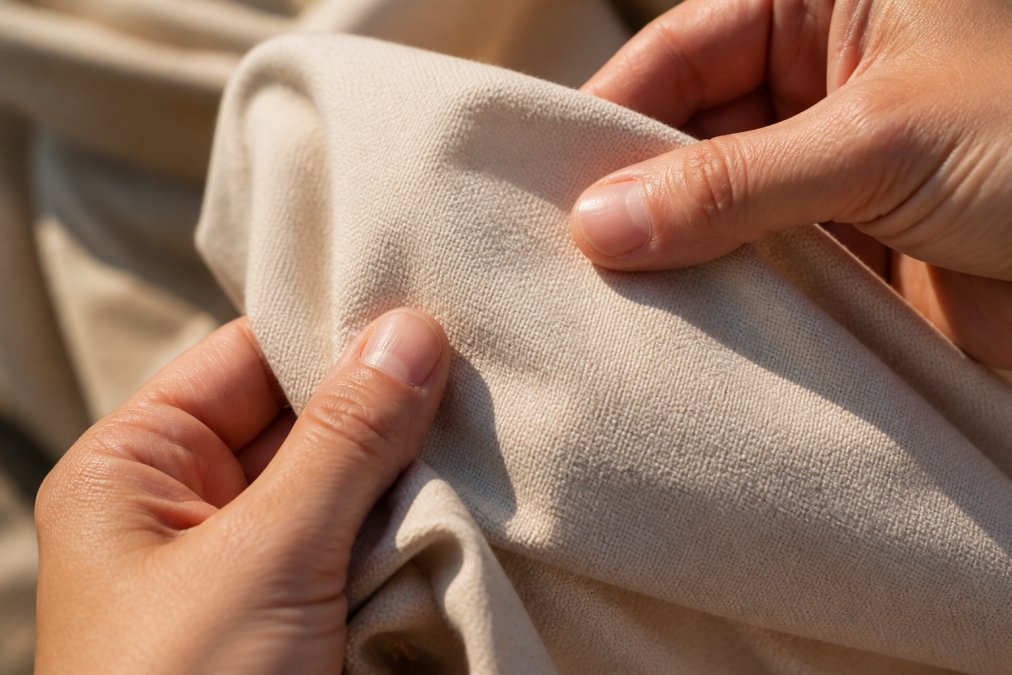
The construction process matters too. Better garments use reinforced seams, double-stitched hems, and proper collar binding. These details add labor time and material cost, but they're what keep a shirt wearable after 50+ washes instead of 10-15. Mass-produced garments cut these corners to hit price targets. Boutique makers don't.
Printing Technology and Durability Impact Price
How the design gets onto the shirt fundamentally affects both cost and longevity. This is where boutique animal shirts expensive pricing often makes the most sense, because the printing method directly determines how long the design survives washing, wearing, and sunlight.
Three primary methods dominate the market, each with distinct cost and durability profiles:
Screen Printing involves creating a separate mesh screen for each color in the design. A four-color animal design requires four screens. Setup costs $50-150 per color, making the method economical only for runs of 100+ units where that fixed cost spreads across many garments. Once set up, per-unit printing costs drop to $2-4. Screen printing deposits ink directly into fabric fibers, creating designs that typically survive 150+ washes without significant fading. The ink sits in the fabric rather than on it, which is why vintage band tees from the 1980s still look vibrant. Boutique makers favor screen printing for animal designs because the durability justifies the upfront investment, and the color saturation appeals to customers willing to pay for permanence.
Direct-to-Garment (DTG) Printing uses industrial inkjet technology to spray color directly onto fabric, similar to a home printer but at commercial scale. No screens are needed, so setup is minimal ($0-50), making it ideal for small batches or one-off designs. Per-unit costs run $3-8 depending on design complexity and ink coverage. However, DTG inks sit on top of the fabric surface and are more vulnerable to cracking and fading. Most DTG prints degrade noticeably after 50-80 washes, especially if the design covers large areas or uses dark colors that require more ink. The trade-off is flexibility: DTG allows unlimited colors and photorealistic detail, which appeals to custom animal portrait shirts. Boutique makers using DTG typically charge more upfront but must be transparent about expected longevity, or risk customer disappointment.
Heat Transfer applies a pre-printed design (usually vinyl or plastisol) to the shirt using heat and pressure. Setup costs are lowest ($0-20), and per-unit costs are $1-3, making it the cheapest method. However, heat transfer designs are the most fragile. The transferred layer sits entirely on the fabric surface and begins cracking after 10-25 washes, especially around edges and high-stress areas like the chest or shoulders. This is the method fast-fashion retailers use for their $12-18 graphic tees. It looks acceptable in the store but degrades rapidly in real-world use.
Why Boutique Makers Invest in Premium Inks and Processes
Beyond method choice, boutique producers invest in higher-grade inks. Premium water-based inks (used in DTG) or plastisol inks (used in screen printing) maintain color vibrancy and resist cracking longer. Budget inks fade faster and are more prone to bleeding or running during washing.
Equipment matters too. Commercial-grade DTG printers and screen printing setups with proper curing equipment require significant investment and regular maintenance and calibration. Fast-fashion manufacturers use older, cheaper equipment that prioritizes speed over quality. Boutique makers who invest in newer equipment produce sharper prints and more consistent results.
The real cost difference emerges over time. A boutique animal shirt with a durable screen-printed design lasts many washes. A fast-fashion tee with heat transfer may degrade after fewer washes. Over a comparable lifespan, the boutique shirt offers better value for print quality, while the fast-fashion tee may require more frequent replacement. This is why cost-per-wear matters more than sticker price.
When evaluating boutique animal shirts expensive, ask the maker which printing method they use and what durability they guarantee. Reputable boutique makers at YleaCreations and similar producers will specify their process and stand behind their work with detailed care instructions and realistic longevity expectations.
Ethical Manufacturing and Supply Chain Transparency
Boutique animal shirts expensive also reflects a commitment to how garments are made and by whom. This is where values meet price.
Ethical manufacturing means paying workers fair wages, maintaining safe working conditions, and being transparent about where production happens. Many boutique makers work with smaller facilities in developed countries or partner with manufacturers that maintain strict labor standards. That costs more than outsourcing to the cheapest overseas facility available.
Some boutique makers also prioritize sustainable dyeing practices, water conservation, and waste reduction in the production process. These practices require investment in better equipment and processes. They're harder to scale and they cost more upfront, but they result in garments made without exploiting workers or dumping toxins into waterways.
When you buy a boutique animal shirt, you're often supporting a supply chain where someone can actually verify working conditions. That transparency and accountability adds cost, but it's a choice many conscious consumers are willing to pay for.
Tips for Buying Quality Graphic Apparel
The best approach to evaluating boutique animal shirts expensive is to know what signals quality before you buy.
Check the fabric weight and composition. Look for 180+ gram cotton or quality blends that specify their fiber content. Read product descriptions that mention construction details, reinforced seams, tagless design, or specific collar binding. These details matter.
Examine the printing. High-quality prints should feel smooth and integrated with the fabric, not raised or plasticky. Look at the edges of the design, they should be clean and precise, not blurry or rough. If the listing includes close-up photos of the print, that's a good sign the maker is confident in their work.
Check customer reviews specifically for durability comments. Real feedback about how a shirt holds up after multiple washes is invaluable. If reviews mention fading, cracking, or shrinking, that's a red flag regardless of price.
How to Spot High-Quality T-Shirts Before You Buy
Before committing to a purchase, you can evaluate quality indicators without holding the shirt in person.
Fiber content transparency is your first checkpoint. Quality boutique makers list specific fiber percentages and often mention the origin or quality tier of their materials. Vague descriptions like "soft cotton" without specifics suggest lower standards.
Stitching details matter. Look at product photos that show seams and hems. Are they straight and even? Do they appear reinforced? Double-stitched seams and finished hems indicate attention to construction. Single-stitched seams and raw edges signal cost-cutting.
Print quality photos reveal a lot. If the maker provides close-ups of the design showing clarity, color depth, and edge precision, they're confident in their printing process. Blurry or low-resolution photos of the print itself suggest they might have something to hide.
Return and care policies tell a story too. Boutique makers confident in their quality often offer generous return windows and detailed care instructions. They want you to keep the shirt looking good because it reflects on their work.
Caring for Printed Graphic Tees to Extend Their Life
Once you've invested in a quality boutique animal shirt, proper care extends its life significantly.
Wash inside-out in cold water to protect the print and minimize fading. Hot water weakens fibers and can cause inks to bleed or crack. Use a gentle cycle and avoid the dryer, air drying preserves both the fabric and the print. Heat from dryers accelerates fading and can warp graphics.
Avoid excessive bleach and harsh detergents. A mild, color-safe detergent is ideal. If you need to spot-clean a stain, do it gently and test on an inconspicuous area first.
Store clean, dry shirts folded rather than hung if possible. This prevents stretching at the shoulders and neck. Keep them away from direct sunlight to minimize fading over time.
These practices aren't complicated, but they're the difference between a shirt that looks great for years versus one that degrades in months. Boutique makers often include care instructions because they expect their customers to maintain their investment.
Small-Batch Production vs. Mass-Market Fast Fashion
The production scale fundamentally affects both price and quality. This is where boutique animal shirts expensive pricing becomes most transparent.
Mass-market fast fashion relies on enormous production runs, thousands of units per style. This allows manufacturers to spread fixed costs across many units, driving per-unit prices down. But it also means limited flexibility, long lead times, and quality compromises to hit tight margins.
Small-batch boutique production runs 50-500 units per design. This approach allows for quality control at every stage. Makers can inspect garments individually, catch printing errors before they ship, and adjust processes based on feedback. It's more labor-intensive and less efficient at scale, but it produces better results.
Small batches also mean designers can take creative risks. A boutique maker might produce an animal design that appeals to 200 people rather than trying to create something generic enough for 50,000. This specificity and creativity has value, it's why people choose boutique apparel over mass-produced alternatives.
The trade-off is clear: small-batch production costs more per unit, but you get higher quality, more unique designs, and often better ethical standards. Mass production is cheaper but delivers generic, lower-quality garments designed to be replaced frequently.
Cost Breakdown: Where Your Money Actually Goes
Understanding the actual economics helps explain why boutique animal shirts expensive, and reveals why cost-per-wear is a better metric than sticker price alone.
The Boutique Animal Shirt: $45 Retail Price
A typical boutique animal shirt allocates costs roughly as follows:
-
Fabric and materials (12-16%): This covers the blank t-shirt (usually 180-200g cotton), thread, tags, and care labels. Boutique makers source from suppliers providing quality blanks, versus fast-fashion suppliers often paying less per blank. The difference reflects fiber quality, dye stability, and construction standards.
-
Printing and design labor (14-20%): This includes the design creation (if custom), screen setup or DTG file preparation, ink, printing labor, and quality inspection. Design labor for a custom animal portrait adds to the total production cost, spread across the batch size.
-
Packaging and fulfillment (8-12%): Branded boxes, tissue, stickers, labels, and the labor to pack and prepare for shipment. Boutique makers often include care cards or thank-you notes.
-
Platform and payment processing (5-8%): If sold through Etsy, Shopify, or similar platforms, fees apply. Direct sales reduce this cost.
-
Overhead and marketing (12-18%): Website hosting, photography, social media, customer service, returns processing, and general business expenses. Smaller boutique makers spread these costs across fewer sales, so the per-unit overhead is higher than large retailers.
-
Profit margin (15-25%): What remains after all costs. Boutique makers typically target 15-25% margins to sustain the business, reinvest in inventory, and cover unexpected costs like returns or damaged goods.
The Fast-Fashion Animal Tee:
A mass-produced animal tee at $15 allocates costs very differently:
-
Fabric and materials (3-5%): Cheap 150g cotton or cotton-poly blends sourced from the lowest-cost suppliers. Dyes are often lower-grade, leading to faster fading.
-
Printing (2-4%): Heat transfer or low-quality screen printing with budget inks. Minimal quality control; defects are accepted as normal.
-
Labor and manufacturing overhead (3-5%): Wages in low-cost manufacturing regions, minimal safety standards, high-speed production lines with little inspection.
-
Shipping and logistics (3-5%): Bulk ocean freight from overseas factories, consolidated into massive container shipments.
-
Platform and retail markup (5-10%): If sold through a retailer, the retailer takes a significant margin.
-
Profit margin (50-70%): The manufacturer's profit is high because every cost is minimized. The retailer's profit is also high because they buy at wholesale and mark up significantly.
Cost-Per-Wear: The Real Metric
This is where the pricing gap becomes transparent. A boutique animal shirt worn many times offers a lower cost per wear. A fast-fashion tee worn fewer times may have a higher cost per wear. Over a year of regular wearing, the boutique shirt can be a more economical choice.
Consider durability specifics: the boutique shirt's screen-printed design survives many washes; the fast-fashion tee's heat-transfer design survives fewer washes. If you wear each shirt regularly, the boutique shirt lasts significantly longer. Buying multiple fast-fashion tees to match the lifespan of one boutique shirt can be more expensive and generates more waste.
Why Boutique Makers Can't Cut Costs Like Fast Fashion
Boutique makers operate at smaller scale, which eliminates the cost advantages of mass production. A fast-fashion manufacturer producing many units per design spreads fixed costs across a large number of garments. A boutique maker producing fewer units per design spreads the same design labor and setup costs across fewer garments. The per-unit overhead is significantly higher.
Ethical sourcing also costs more. Boutique makers who verify fair wages, safe conditions, and environmental compliance pay suppliers more than those buying from the cheapest available factory. This is a choice, not an accident.
At YleaCreations, we apply these principles transparently. We source quality materials, invest in durable printing, and design apparel that reflects genuine artistry. Our animal-themed collection celebrates what makes you unique, and we price our work to reflect the actual cost of making something that lasts. When you buy from us, you're not subsidizing a retailer's markup or a manufacturer's race to the bottom, you're supporting a small business that values durability and ethics over volume.
Conclusion: Value Beyond the Price Tag
Boutique animal shirts expensive because they're made differently, with better materials, more thoughtful production, and genuine care for durability. The price reflects real value: a garment that lasts, looks vibrant, and supports ethical manufacturing practices.
When you buy a boutique animal shirt, you're not just buying a tee. You're investing in something that holds up, holds its color, and actually reflects your personality instead of a algorithm's guess at what sells. That's worth the difference.
Ready to explore apparel that feels like you? Shop on Etsy and discover our curated collection of unique animal-themed designs and mood-lifting pieces crafted to celebrate what you love.
| Quality Factor | Budget Fast Fashion | Boutique Animal Shirts |
|---|---|---|
| Fabric Weight | Lighter cotton or less | Heavier, quality cotton |
| Seam Construction | Single-stitched | Double-stitched, reinforced |
| Print Durability | Fewer washes | Many washes |
| Inks Used | Budget, prone to cracking | Premium, color-stable inks |
| Production Scale | 5,000+ units per run | 50-500 units per design |
| Labor Standards | Unverified, low-cost | Transparent, ethical |
| Design Originality | Generic, trend-chasing | Unique, artistic |
Pro Tip
Key Takeaway
Frequently Asked Questions
Why are boutique animal shirts more expensive than mass-produced graphic tees?
Boutique animal shirts command higher prices because they use superior fiber quality, employ durable printing methods like screen printing or direct-to-garment technology, and prioritize ethical manufacturing. Mass-produced alternatives cut costs by using lower-grade cotton, faster printing that fades quickly, and outsourcing to facilities with minimal labor standards. You're paying for garments that retain vibrant colors, maintain shape after washing, and come from transparent supply chains.
How do I know if a boutique animal shirt is worth the price?
Look for specific quality markers: 100% cotton or high-quality blends (not thin, see-through fabric), and printing methods listed on the product page. Check customer reviews mentioning color retention and fit after multiple washes. Examine product photos closely for design clarity and color vibrancy. Boutique creators like YleaCreations often provide detailed care instructions and material sourcing information, signaling investment in longevity. If a seller won't disclose materials or printing methods, that's a red flag.
What's the difference between screen printing and direct-to-garment printing for durability?
Screen printing applies thick ink layers that bond to fabric fibers, lasting many washes before noticeable fading. Direct-to-garment (DTG) printing injects ink directly into the fabric, offering photo-quality detail but slightly less durability in some cases. Both methods, when done correctly, significantly outlast cheap heat transfer printing that peels after fewer washes. Boutique animal shirts typically use one of these premium methods, which costs more upfront but preserves the vibrant colors and design integrity that drew you to the shirt in the first place.
How should I care for printed graphic tees to make them last longer?
Turn graphic tees inside out before washing to protect the printed design from friction. Use cold water and gentle cycles, avoid bleach and fabric softeners, and dry on low heat or hang dry. Wash less frequently by spot-cleaning stains. These practices preserve both the fabric integrity and printing durability, extending the life of your boutique animal shirt by years. Quality fabrics and printing methods respond well to proper care, which is why boutique makers emphasize garment care, they expect their pieces to be worn and treasured long-term.