 ultimate-guide
Why Shop Small for Art Apparel: A 2026 Guide
Table of Contents
- Why Shop Small for Art Apparel Matters
- The Real Value Behind Independent Artist-Designed Clothing
- How Buying From Small Businesses Supports Local Economies
- Discovering One-of-a-Kind Designs You Won't Find Elsewhere
- Quality and Materials: What Sets Small Makers Apart
- How to Style Art Shirts for Any Occasion
- How to Support Small Artists Through Your Purchases
- Finding and Verifying Authentic Independent Sellers
- Addressing Quality, Fit, and Sustainability Concerns
- Finding Small Businesses and Artists Online
- Frequently Asked Questions
Last Updated: October 7, 2026
Why Shop Small for Art Apparel Matters
Understanding why shop small for art apparel matters means recognizing a choice that extends far beyond what you wear. Every purchase of an artist-designed graphic tee or unique piece of apparel directly supports independent creators who pour their vision and skill into their work. Unlike mass-produced clothing churned out by enormous factories, small-batch art apparel represents genuine creative expression, designs that reflect a maker's perspective, humor, and individuality.
The difference becomes obvious the moment you wear it. A piece from an independent artist carries a story. It's not just fabric and ink; it's a conversation between the creator and you. That connection matters, especially when you're someone who values authenticity and wants your wardrobe to reflect who you actually are rather than what marketing algorithms suggest you should buy.
The Real Value Behind Independent Artist-Designed Clothing
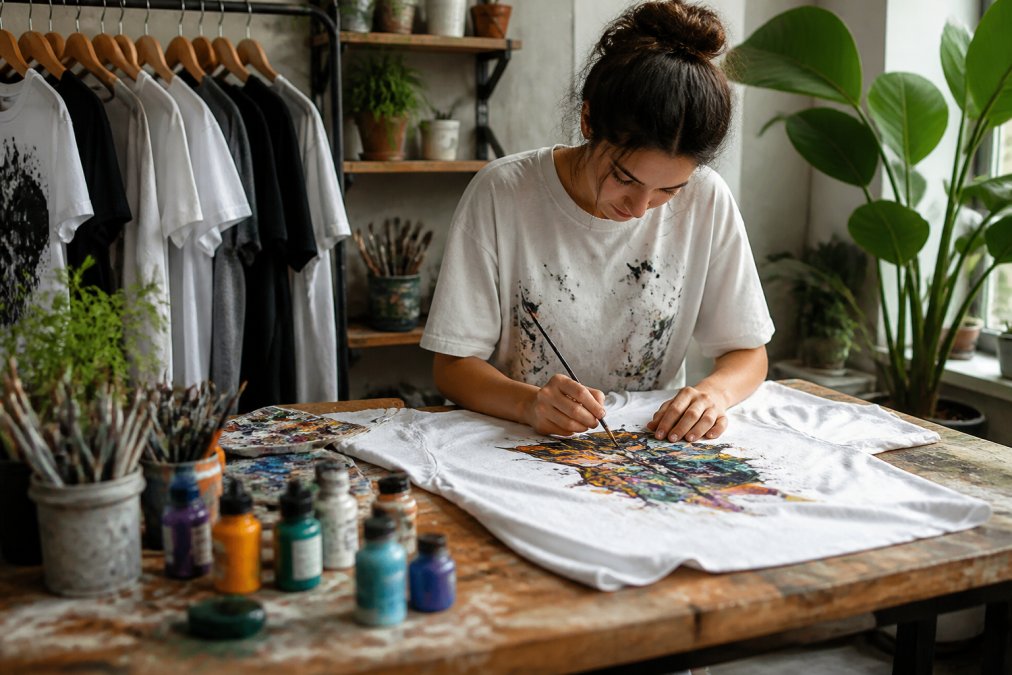
Independent artist-designed clothing represents something fundamentally different from commercial fast fashion. Each piece carries the maker's creative fingerprint, their choice of color, composition, message, and meaning. When you buy from a small artist, you're investing in originality, not just apparel.
This matters because original design requires time, skill, and courage. An artist designing a graphic tee has spent hours refining their vision, testing compositions, and choosing the right message to communicate through fabric. That investment in quality design is reflected in what you receive. The humor lands differently when it comes from someone's authentic perspective. The colors feel more intentional. The fit reflects real thought about how people actually move and live in their clothes.
Many independent artists also use higher-quality printing methods and fabrics than mass-market alternatives. They're not trying to maximize profit margins by cutting corners on materials. Instead, they're focused on creating something they'd be proud to wear themselves, and that standard shows.
How Buying From Small Businesses Supports Local Economies
Most articles on this topic stop at "money stays local." That phrase is true but vague, and it doesn't help you understand what actually happens when you buy an artist-designed shirt instead of a mass-produced one. The useful version of this argument is mechanical: it traces where the money goes and who touches it before the garment reaches you.
Where a Purchase Dollar Actually Goes
When you buy art apparel from an independent maker, the revenue typically splits across a small number of line items: the artist's design time, the blank garment, the printing or embroidery, packaging, platform and payment processing fees, and shipping. On a mass-market graphic tee, the equivalent split is dominated by manufacturing volume, licensing, retail markup, and logistics at a scale no individual artist can match.
The practical difference is not that one model is automatically more ethical. It's that in a small operation, the person who made the design decision is usually the same person who decides what fabric to buy, how to print it, and whether to reorder. That concentration of decision-making is what lets an artist choose a heavier cotton or a slower print method when it matters, and it's also why small runs sell out and don't come back.
The Multiplier Effect, Without the Hype
A common pattern among independent makers is that they source from other small businesses: a local screen printer, a small embroidery shop, a photographer for product shots, a freelance web designer. When you buy from one maker, you're often indirectly supporting several. That's the real multiplier effect, and it's narrower and more concrete than the version usually printed in local-business articles.
It also cuts the other way. Small makers don't get volume discounts on blanks or shipping, which is why their prices are often higher than a big-box equivalent. That price gap is not a markup on the artist's ego; it's the cost of not buying 50,000 units at a time. Understanding this makes it easier to judge whether a given piece is priced fairly for what it is.
What This Means for Your Wardrobe
If you want your spending to reach the person who actually designed what you're wearing, the signal to look for is attribution. Does the listing name the artist? Does the shop explain who prints the garment? Can you trace the design back to a portfolio, an Instagram account, or a maker bio? When those answers are clear, the economic argument for shopping small stops being abstract and becomes something you can verify before you check out.
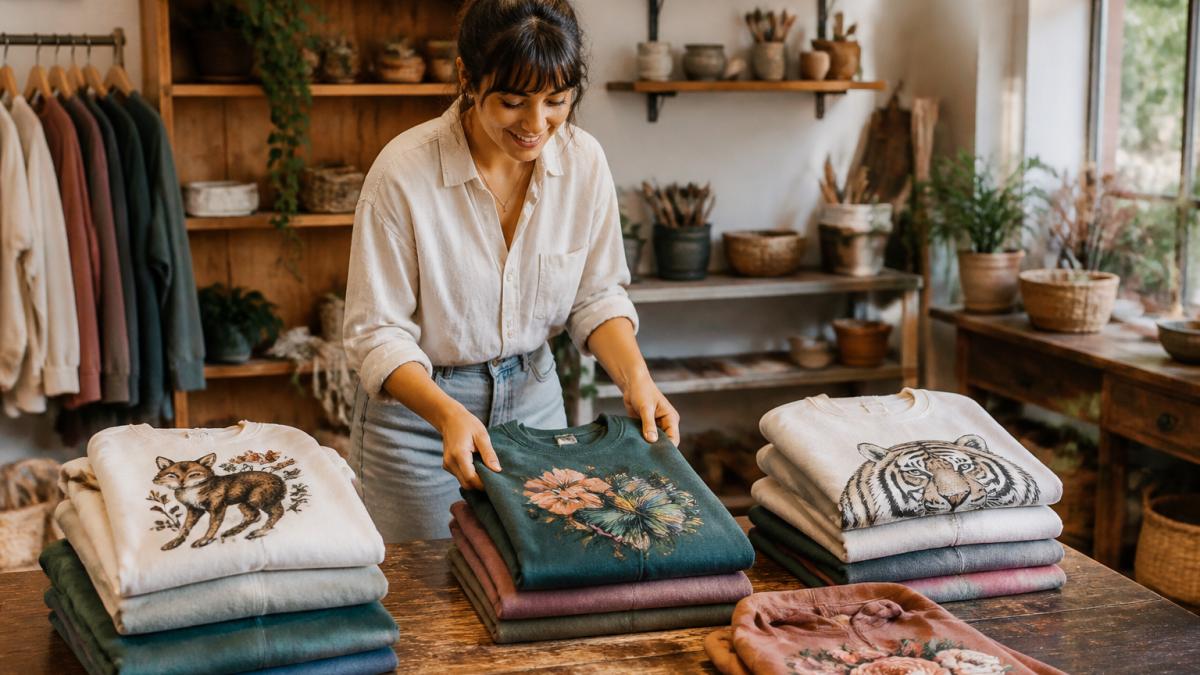
At YleaCreations, every piece is selected with that traceability in mind, so you can see the design, understand the maker behind it, and know your purchase is going to the people doing the creative work. You can browse the current collection at our store.
Discovering One-of-a-Kind Designs You Won't Find Elsewhere
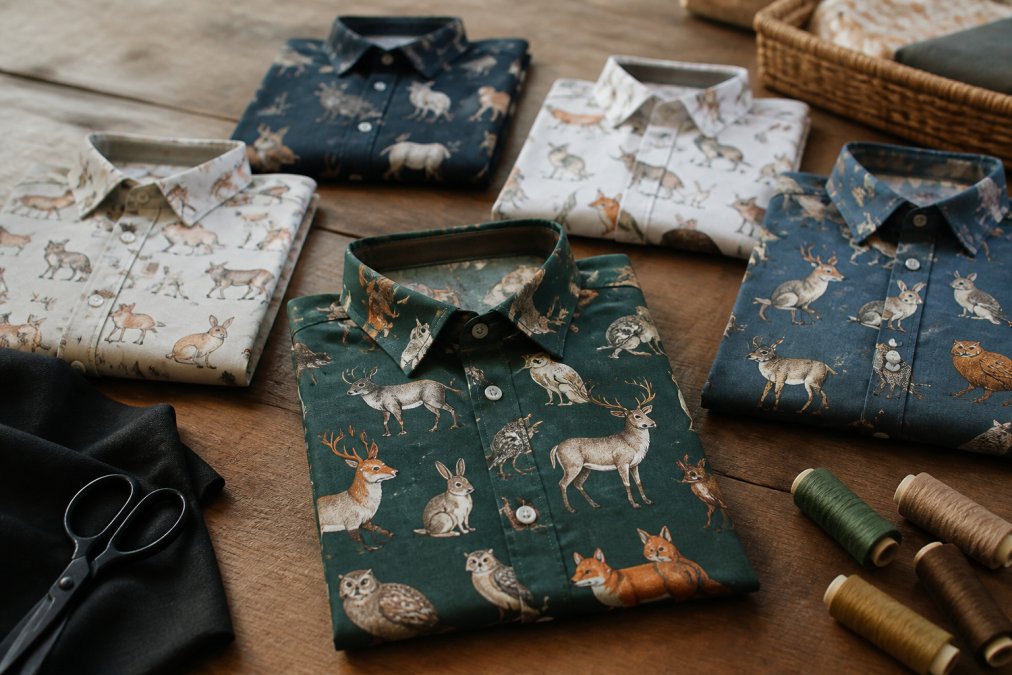
One of the clearest reasons to shop small for art apparel is access to designs that simply don't exist anywhere else. Independent artists create limited-run pieces, often producing only a handful of each design before moving on to something new. That scarcity is intentional, it means when you wear it, you're wearing something genuinely rare.
This contrasts sharply with fast fashion's model of flooding the market with identical pieces. When you buy from a small maker, you're not one of thousands wearing the same design. You're one of maybe fifty, or five, or sometimes just one. That exclusivity carries real value, especially for people who use clothing as a form of self-expression.
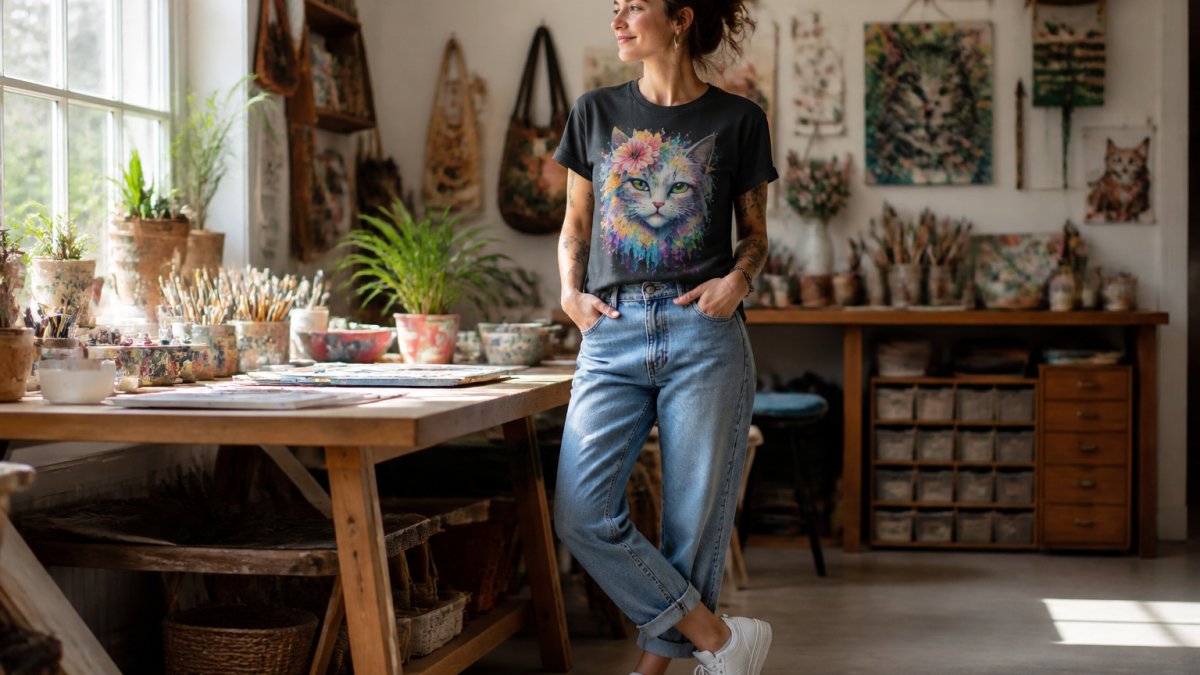
Limited-run designs also encourage makers to be bolder and more experimental. Without the pressure to appeal to mass audiences, artists can explore niche interests, unconventional color combinations, and specific communities. If you love a particular animal, hobby, or inside joke, there's likely a small artist who's already created something perfect for you, something you'd never find at a big-box retailer.
Quality and Materials: What Sets Small Makers Apart
Claims that small makers "use better materials" are easy to make and hard to check. What's actually useful is a short checklist you can run against any art-apparel listing before you buy, whether it's from an independent artist or a larger brand.
Fabric: What to Look For
Most art-apparel blanks fall into a few recognizable categories. Ring-spun cotton is combed and spun to create a softer, smoother hand than standard carded cotton, and it's the most common upgrade you'll see from independent makers. Combed cotton removes short fibers, which reduces pilling over time. Tri-blend fabrics (cotton, polyester, and rayon) drape differently and tend to hold shape well, but they can pill faster if the rayon content is high. Heavyweight cotton, often in the 6 oz range, holds a print better and lasts longer than the thin 4 oz blanks common in promotional apparel.
What to check in a listing: fiber content, fabric weight if listed, and whether the maker names the blank manufacturer. A maker who can tell you the exact blank they print on is usually a maker who has thought about how it wears.
Printing and Construction
Screen printing uses a separate screen per color and produces thick, opaque, long-lasting prints, but it's only cost-effective in batches, which is why it shows up most in limited runs. Direct-to-garment (DTG) printing works like an inkjet for fabric: it's better for detailed, multi-color, or photographic designs and for one-off pieces, but the print can feel slightly raised and may fade faster with repeated washing. Embroidery is the most durable option for logos and simple marks but can't reproduce fine gradients or small text.
Construction details matter as much as the print. Look for double-needle stitching at the hems and sleeves, shoulder-to-shoulder taping (a strip of fabric across the inside back of the neck that prevents stretching), and side seams rather than tubular construction if you want a more tailored fit. These are the same details you'd check on any quality garment; the difference is that small makers often list them because they're proud of them.
Care and Longevity
Most art apparel lasts longest if you wash it inside out in cold water and dry it on low or hang it. Heat is the main enemy of both cotton fibers and printed graphics. If a maker's care instructions are specific rather than generic, that's a good sign they've tested their own product.
Fit and Sizing
Sizing varies more between independent makers than between big brands, because each maker chooses their own blanks. A size medium from one artist's shop may fit like a small from another. The reliable move is to look for a size chart with actual garment measurements (chest width, body length) rather than just S/M/L labels, and to check reviews that mention fit specifically.
A Quick Verification Checklist
Before buying art apparel from any small seller, you can usually confirm most of the following in under five minutes:
- The listing names the fabric content and, ideally, the blank manufacturer.
- The printing method is stated (screen print, DTG, or embroidery).
- A size chart with measurements is available.
- Care instructions are specific.
- Reviews mention durability, color accuracy, or fit, not just shipping speed.
- The seller can explain their design process if asked.
If most of those boxes are checked, you're dealing with a maker who treats quality as part of the product. If almost none are, the "handmade" label is doing more work than the actual garment.
YleaCreations lists fabric, print method, and sizing details on each piece so you can run this checklist yourself before you order. Browse the current selection at our store.
How to Style Art Shirts for Any Occasion
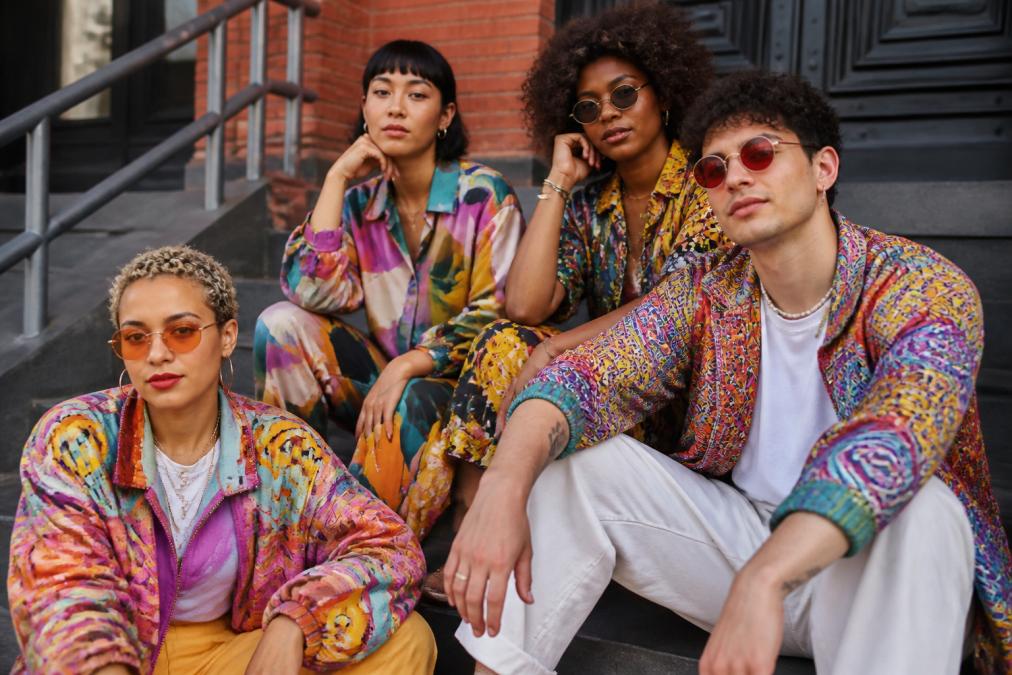
Art apparel is versatile enough to work in almost any context, but styling it intentionally makes the piece shine. The key is understanding that an artist-designed shirt is a statement piece, it deserves to be the focal point of your outfit rather than hidden under layers.
Casual Everyday Looks
For everyday wear, let the shirt be the star. Pair it with solid-colored basics like denim jeans, neutral chinos, or simple joggers. The contrast between the bold design and neutral bottoms creates visual balance. Add minimalist accessories, a simple watch, basic sneakers, or a clean jacket, that don't compete with the shirt's design.
This approach works whether you're running errands, meeting friends, or working in a casual office environment. The beauty of artist-designed apparel is that it communicates personality without requiring complicated styling. A well-chosen piece can anchor an entire outfit with minimal effort.
Elevated and Polished Outfits
Artist-designed shirts can absolutely work in more polished contexts. Layer a quality art tee under a blazer or structured cardigan to bring the design into view while maintaining a professional appearance. Pair with tailored trousers or a skirt in neutral tones. The shirt adds visual interest while the structured outer layer keeps the overall impression refined.
For evening or special occasions, consider how the design's colors and mood fit the context. A humorous or whimsical design works beautifully with casual evening wear, think nice jeans and a leather jacket. A more artistic or contemplative design pairs well with elevated basics and quality fabrics.
How to Support Small Artists Through Your Purchases
Supporting independent artists goes beyond making a single purchase. When you find a maker whose work resonates with you, there are several ways to deepen that support. First, follow their work. Many independent artists share their creative process on social media, offering behind-the-scenes glimpses of how designs come to life. That engagement, likes, comments, shares, helps their work reach new audiences.
Leave honest reviews when you purchase. Small makers rely heavily on customer feedback to build credibility and attract new buyers. A thoughtful review describing why you love a piece helps potential customers understand the value of shopping small for art apparel. It also gives makers invaluable insight into how their work resonates with real people.
Consider becoming a repeat customer. Many independent artists offer new designs seasonally or regularly. Building a relationship with a maker you trust means you'll discover new pieces that fit your style before they sell out. Some artists also offer exclusive previews or early access to loyal customers.
Finding and Verifying Authentic Independent Sellers
Not every seller claiming to be independent actually is. Some resellers purchase designs from independent artists and resell them without proper credit or compensation. Learning to spot authentic independent makers protects both your interests and theirs.
Look for sellers who share their creative process. Authentic independent artists typically discuss their design inspiration, the materials they use, and the techniques behind their work. They have a consistent visual style and voice across their platforms. They're happy to answer questions about their process and materials.
Check for transparency about production. Real independent makers can explain exactly how their pieces are made, whether they're screen-printed, embroidered, or produced through direct-to-garment printing. They can discuss fabric choices and why they selected specific materials. This transparency signals confidence in their work.
Verify through their online presence. Authentic independent artists typically have a cohesive portfolio across platforms. Their work shows evolution and consistency. They engage directly with customers, responding to questions and comments. Be cautious of sellers who have generic descriptions, unclear sourcing, or who can't articulate their creative vision.
Addressing Quality, Fit, and Sustainability Concerns
Quality concerns are legitimate, and it's fair to want assurance before purchasing. The best protection is researching the maker's reputation and understanding their production process. Read customer reviews specifically asking about durability, color accuracy, and fit. Many independent makers have strong track records of customer satisfaction that you can verify through their reviews and customer feedback.
Fit varies significantly between independent makers because each one chooses their own suppliers and construction methods. Look for detailed size charts and fit descriptions. Many independent makers provide measurements and fit notes because they understand that sizing inconsistency is a common concern. Don't hesitate to reach out with questions about fit before ordering.
Sustainability is another valid consideration. Many small makers actually have better environmental practices than mass manufacturers because they produce in smaller quantities, reducing waste. They're also more likely to use sustainable materials and ethical production methods. Ask makers about their sustainability practices, authentic independent artists are usually proud to share this information.
Finding Small Businesses and Artists Online
Discovering independent artists has never been easier, though it requires knowing where to look. Platforms like Etsy host thousands of independent makers selling original art apparel. You can filter by style, interests, and production method. The platform provides buyer protection and reviews, making it easier to verify authenticity.
Social media platforms like Instagram are where many independent artists showcase their work and build direct relationships with customers. Following hashtags related to your interests, specific animals, hobbies, design styles, helps you discover makers you might not find through traditional retail channels. Many artists offer exclusive designs or early access to followers.
Local craft fairs, markets, and pop-up shops provide opportunities to meet makers in person, see their work directly, and ask questions face-to-face. These events are where the energy around independent art apparel is most tangible. You'll find artists passionate about their work, willing to discuss their process, and often offering exclusive designs available nowhere else.
Specialty retailers and curated marketplaces that focus on independent makers also deserve attention. These businesses carefully vet their vendors, ensuring quality and authenticity. Shopping through these channels adds an extra layer of verification that the work is genuinely independent.
When you shop small for art apparel, you're investing in originality, quality, and the livelihoods of independent artists. YleaCreations embodies this commitment to independent creativity, offering a curated collection of unique, artist-designed pieces that celebrate individuality and personal expression. Every item is selected to bring joy and color into your life while supporting makers who pour their vision into their work. Explore the collection at our store and discover pieces that feel authentically like you.
Frequently Asked Questions
Why should you shop small for art apparel instead of buying from mass-market retailers?
Shopping small for art apparel connects you directly to the creators behind the designs. Independent artists pour their vision into each piece, resulting in original artwork you won't find mass-produced elsewhere. Your purchase directly funds the maker's creative practice, supports their business, and helps them continue producing unique work. Small businesses also tend to use higher-quality materials and more thoughtful production practices than fast-fashion retailers, meaning your apparel lasts longer and feels better.
How can you tell if clothing features original artist-designed work?
Look for creators who share their design process, artist biography, or inspiration behind each piece. Authentic independent artists typically display their name, offer limited-run or small-batch collections, and can explain their work. Check for customer reviews mentioning quality and design authenticity. Verify that the seller owns or directly collaborates with the artist, not just reselling designs. Many independent sellers on platforms like Etsy or their own websites clearly credit the artist and explain what makes each design original.
What should you look for when choosing art apparel from a small business?
Evaluate material quality by checking fabric descriptions and customer photos showing how pieces hold up over time. Review sizing information carefully and read customer feedback about fit and how colors appear in person. Look at the creator's production practices, do they use sustainable methods or eco-conscious materials? Check return policies to ensure you can exchange items if fit or color doesn't match expectations. Visit the maker's shop to understand their story and design philosophy, which often signals their commitment to quality and authenticity.
How does buying artist-designed clothing support creators compared to mass-market shopping?
When you purchase from an independent artist or small business, a significantly larger portion of your money goes directly to the creator rather than corporate profits and supply-chain markups. Small makers use this revenue to invest in better materials, improve their craft, and fund future designs. Your support helps them sustain their creative business without relying on corporate jobs, allowing them to dedicate more time to original work. Independent artists also reinvest in their communities and often source materials locally, creating a ripple effect that strengthens the local economy.