 comparison
Are Handmade Gifts Better Than Store-Bought?
Last Updated: November 1, 2026
Quick Summary
Handmade gifts are better when you know the recipient's taste well and can cover the full cost of materials, tools, labor, and shipping without stress. If you are guessing on taste, need it this week, or want easy returns, a store-bought gift you personalize is the safer choice.
- A 2021 survey attributed to Awesome Pattern Studio found 74% of respondents rated handmade gifts as more meaningful, though the method is undocumented.
- Handmade does not automatically mean higher quality; a poorly made handmade item is worse than a well-made store-bought one.
- Once materials, tools, time, and shipping are counted, a handmade gift can cost as much as or more than a comparable store-bought item.
- If two or more of the four framework questions land in the store-bought column, buy the gift and personalize it instead.
- The most common handmade gift failure is a mismatch between the object and the person receiving it, not poor craftsmanship.
Table of Contents
- Handmade vs. Store-Bought: What the Evidence Actually Says
- The Benefits of Handmade Gifts: Sentiment, Skill, and Story
- Meaningful Handmade Gift Ideas for Different Recipients
- The Real Cost of Handmade: Materials, Tools, Labor, and Shipping
- When Store-Bought Wins on Convenience, Selection, and Fit
- How to Make a Store-Bought Gift More Personal
- Handmade Gift Etiquette: What to Know Before You Give
- Recipient Risks: Clutter, Allergies, Usability, and Unwanted Personalization
- A Decision Framework: Recipient, Occasion, Budget, and Time
- Frequently Asked Questions
Handmade vs. Store-Bought: What the Evidence Actually Says
According to the Center for Biological Diversity's report on gift-giving habits, 68% of Americans say they are likely to give a DIY gift, and 56% are likely to give a secondhand one. That is a striking number, and it explains why so many shoppers now ask whether handmade gifts are better than store-bought. At YleaCreations, we sell artist-made pieces, so we have a bias worth naming up front. But the honest answer is more interesting than a slogan.
Handmade gifts are items made by an individual rather than a factory, and they carry a maker's time, skill, and choices inside them. Store-bought gifts are manufactured at scale and chosen from a shelf or a listing.
The numbers behind the sentiment
A 2021 survey attributed to Awesome Pattern Studio's handmade gift research found that 74% of respondents rated handmade gifts as more meaningful than store-bought items. Treat that figure with care: the survey's organizer, sample size, and method are not documented.
What the data supports is narrower and more useful. People expect handmade gifts to feel more personal. They do not automatically enjoy them more.
Why the debate is not really about the gift
The real variable is the recipient. A hand-knit scarf given to someone who wears scarves is a hit. The same scarf given to someone with a wool allergy is a problem wrapped in ribbon.
The Benefits of Handmade Gifts: Sentiment, Skill, and Story
Sentiment is the strongest argument for handmade. A handmade gift carries evidence of planning, preparation, and care that a mass-produced item cannot show. The giver chose the colors, the size, the design. That record of attention is what people mean when they call a gift heartfelt.
Craftsmanship is the second benefit, and it is the one buyers underestimate. A maker's skill shows up in details: a clean seam, a sturdy clasp, a finish that survives a wash. Those details are also what make a handmade piece last.
The third benefit is uniqueness. A custom piece cannot be duplicated on a shelf, which matters when the occasion calls for something memorable.
Watch out: handmade does not automatically mean higher quality. A poorly made handmade item is worse than a well-made store-bought one, and the price rarely tells you which you are getting.
Meaningful Handmade Gift Ideas for Different Recipients
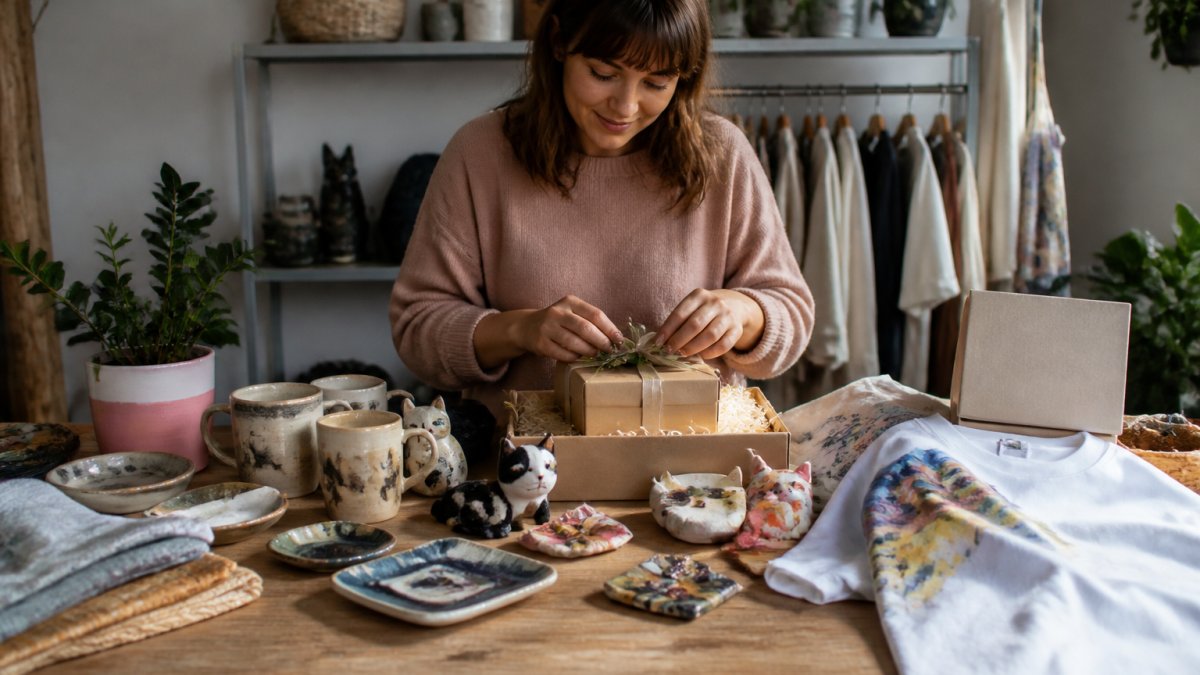
The best meaningful handmade gift ideas start with the person, not the craft. Match the recipient's existing habits and you rarely miss.
For the pet-obsessed friend
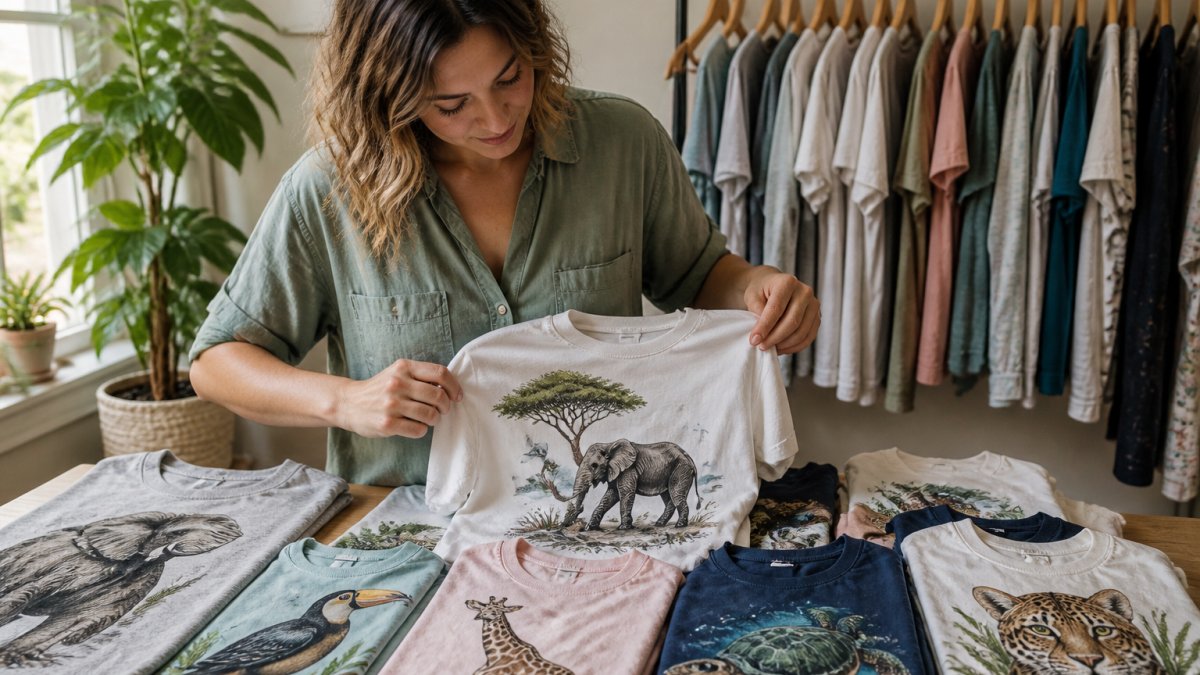
Someone who talks about their dog more than their job wants gifts that celebrate that bond. Think custom pet portraits, hand-painted leash hooks, or apparel printed with an artist's original animal art. If you want a running start, our guide to the best gifts for dog-obsessed friends collects specific ideas by personality type.
For the color-loving daydreamer
Whimsical, expressive recipients respond to bold color and quirky detail. Hand-dyed textiles, illustrated prints, and small-batch ceramics all land well. For a curated list to act on, browse unique gift ideas for daydreamers.
The Real Cost of Handmade: Materials, Tools, Labor, and Shipping
Handmade is not automatically the budget option. Once materials, tools, time, and shipping are counted, a handmade gift can cost as much as or more than a comparable store-bought item. That is not an argument against handmade; it is an argument for budgeting honestly.
Here is a general breakdown of the cost categories involved in a project such as a hand-knit wool scarf. Actual costs depend on materials, quantity, and supplier.
| Cost Category | What It Includes | Typical U.S. Range | Who Absorbs It |
|---|---|---|---|
| Materials | Yarn, needles, blocking mats, care labels | $25-$60 for quality wool yarn; needles $8-$15; blocking mats $20-$40 (reusable) | Buyer or maker |
| Tools | One-time purchases, often reusable across projects | $30-$80 total, amortized over many gifts | Maker |
| Labor | Planning, swatching, knitting, finishing | 10-20 hours at an unpaid or below-minimum effective rate | Usually unpaid |
| Shipping | Packaging, postage, protective materials | $8-$15 domestic; more for fragile or oversized items | Buyer |
If you are buying from an artist rather than making the gift yourself, the price generally reflects materials, time, and shipping. To understand the factors behind that pricing, see why quality apparel costs more. For current prices, visit our shop.
A few practical cost notes:
- Tools are not free. If you are making a gift for the first time, one-time tool costs can add significantly to your spend. Borrow or buy used where possible.
- Labor is the hidden line. Time spent planning and making a gift has value even when it is not paid.
- Shipping is not trivial. Fragile and oversized items often require protective packaging that adds to the total.
- Store-bought has hidden costs too. Returns, restocking fees, and expedited shipping can narrow the gap more than people expect.
If you want a piece that carries a maker's hand without the guesswork, our shop is where to start.
When Store-Bought Wins on Convenience, Selection, and Fit
Convenience is not a character flaw, and store-bought gifts often win on it. You can usually buy one today and return it if it misses. Handmade gifts may involve lead times and custom order windows.
Selection is the second advantage. A store carries hundreds of options in every size and color. A single maker offers what they make.
Fit is the third, and it is underrated. Sizing, dietary needs, and compatibility with what someone already owns are easier to solve when you can pick from a wide catalog. For a distant recipient whose tastes you only half know, that flexibility lowers the risk considerably.
How to Make a Store-Bought Gift More Personal
You can close most of the sentiment gap without picking up a craft knife. Personalizing a purchased gift is the hybrid option, and it works better than most people expect.
- Add a handwritten note explaining why you chose this specific item
- Pair the gift with one small handmade element, like a card or a printed photo
- Assemble a themed bundle around the recipient's actual hobby
- Choose a piece from an independent artist rather than a mass retailer, such as the artist-made pieces in our shop
That last option matters more than it sounds. Learning how to find authentic artist brands helps you spot genuine independent work instead of mass-produced goods dressed up as handmade.
Handmade Gift Etiquette: What to Know Before You Give
Handmade gift etiquette comes down to one rule: never make the recipient responsible for your effort. A gift that arrives with an implicit obligation, to display it, wear it, or praise it, stops being a gift.
A few practical guidelines:
- Give the item, not the story of how long it took you
- Skip the guilt if they do not use it immediately
- Ask about sizes and preferences beforehand when you can
- Keep the receipt or exchange path open if the maker allows it
The same courtesy applies when you buy handmade. If you are considering a custom piece, check with the seller about timing and return options before you order.
Recipient Risks: Clutter, Allergies, Usability, and Unwanted Personalization
The most common handmade gift failure is not poor craftsmanship. It is a mismatch between the object and the person receiving it.
Clutter tops the list. A decorative item with no function in the recipient's home becomes a burden they feel obliged to keep. Allergies and sensitivities come second: wool, certain dyes, scented finishes, and pet hair all cause real reactions in some people.
Usability is the third risk. A beautiful mug that cannot go in the dishwasher, or a garment that needs special care, may never get used. Unwanted personalization is the fourth. A monogrammed item cannot be passed on or returned, which turns a small miss into a permanent one.
A Decision Framework: Recipient, Occasion, Budget, and Time
Use four questions to settle the handmade versus store-bought question in under a minute. Score each answer as H (handmade), S (store-bought), or E (either), then count.
| Question | Choose Handmade If... | Choose Store-Bought If... | Example |
|---|---|---|---|
| Recipient | You know their taste well and they value personal items | You are guessing or they prefer practical, returnable goods | A hand-knit scarf for a scarf-wearer vs. a gift card for a distant cousin |
| Occasion | Milestone, high sentiment, or a personal celebration | Routine, workplace exchange, or a formal event with etiquette constraints | A custom portrait for a 50th anniversary vs. a office Secret Santa |
| Budget | You can cover materials, tools, and shipping without stress | You need predictable spend and easy returns | $60 in yarn and 15 hours vs. a $50 store item with a gift receipt |
| Time | You have weeks, not days, and can plan ahead | You need it this week or have no margin for lead times | Commissioning a custom piece 6 weeks out vs. buying today |
Run the four questions honestly. If two or more answers land in the store-bought column, buy the gift and personalize it instead. That is not a compromise; it is the option most likely to be appreciated. If two or more land in the handmade column, proceed, but check the recipient risks below before you commit.
Recipient-centered risks to check before choosing handmade:
- Clutter: A decorative item with no function can become a burden. Ask whether the recipient has space and a use for it.
- Allergies and sensitivities: Wool, certain dyes, scented finishes, and pet hair cause real reactions. Confirm materials before you make or buy.
- Usability: A beautiful mug that cannot go in the dishwasher or a garment that needs special care may never get used. Check care requirements.
- Unwanted personalization: A monogrammed item cannot be passed on or returned. Keep personalization meaningful and confirmed.
Hybrid options are the middle ground most people overlook. You can buy a store-bought base and add a personal touch: a handwritten note explaining why you chose the item, a name or date added by the seller, a small handmade card, or a themed bundle built around the recipient's actual hobby. Choosing a piece from an independent artist rather than a mass retailer is another hybrid path. Learning how to find authentic artist brands helps you spot genuine independent work instead of mass-produced goods dressed up as handmade.
If you want a piece that carries a maker's hand without the guesswork, our shop is where to start.
Frequently Asked Questions
Are handmade gifts more meaningful than store-bought gifts?
They can be, but meaning depends on the recipient. What matters most is whether the gift fits the person's taste and life, not simply how it was made.
What are the advantages of handmade gifts?
Handmade gifts carry a personal story, show effort and care, and can be customized to the recipient in ways mass-produced items cannot. They often feel more memorable and unique, and they let you support small makers and artists rather than large manufacturers. The benefits of handmade gifts are strongest when the maker knows the recipient's preferences well and has the time and skill to execute the idea cleanly.
When is a store-bought gift a better choice?
Store-bought wins when time is short, when the recipient has specific sizing, safety, or allergy needs, or when your making skills do not match the idea. It also makes sense for distant recipients where shipping a fragile handmade item adds cost and risk. A store-bought gift from a small creative shop can still feel personal, especially when you choose a design that reflects the recipient's personality.
How can you make a store-bought gift feel more personal?
Pair it with a handwritten note explaining why you chose it, add a small handmade element like a custom tag or bookmark, or bundle it with something the recipient uses daily. You can also personalize the packaging or include a photo or memory that ties to the gift. The goal is to show the recipient you thought about them specifically, not just about checking a box.
The hardest part of gift-giving is not choosing between handmade and store-bought. It is finding something that actually reflects the person receiving it. YleaCreations builds around that idea, with an eclectic collection of gifts for animal lovers and daydreamers, colorful animal art and mood-lifting designs, and a range of apparel, art, and pet-specific pieces made for personal expression. Get started with YleaCreations and find a gift that feels like them.